
Creating a professional report based on a SQL query or a view!




In this tutorial, we will show you how to use Smart Report Maker to create professional reports based on SQL queries or database views stored in any MySQL database. Smart Report Maker allows you to transform raw database data into well-formatted, interactive reports in just a few steps—without writing code.
Step 1: Launch the Report Generator Wizard
First, click the Create New Report button to launch the report generator wizard. This wizard will guide you through the entire report creation process step by step.
Step 2: Enter Database Connection Details
- Next, enter the connection parameters of your MySQL database. Once the connection is successful, you can choose the data source for your report.
- To build a report using a SQL query or a database view, select SQL Query as the data source.
Step 3: Choose a View or Write a SQL Query
You will see:
- A dropdown list containing all views stored in your database (if any exist).
- A text area where you can write a new SQL query.
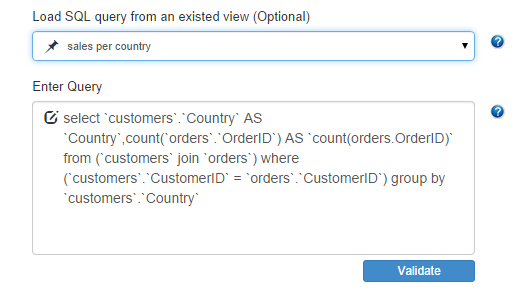
Now do the following:
- Either select an existing view or write your SQL query.
(Only SELECT queries are allowed.) - Click the Validate button.
- Click Next.
Step 4: Define Column Labels
Assign user-friendly labels to your database columns to make your report easier to read.
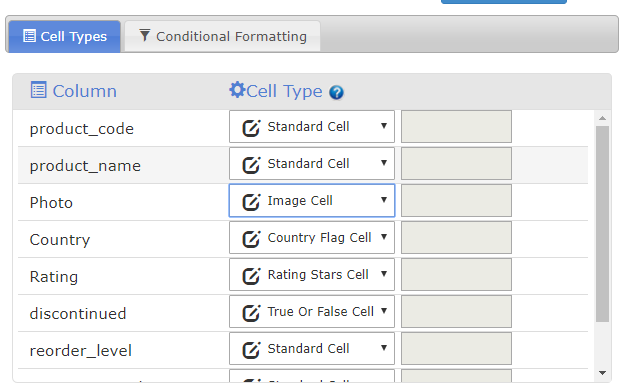
Step 5: Set Cell Types and Conditional Formatting
Define the cell types for each column and apply conditional formatting. For more details, see this tutorial.
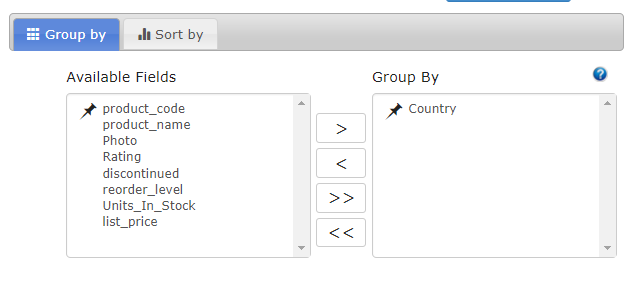
Step 6: Configure Grouping and Sorting
Define grouping levels and sorting order. For example, group sales by country, then by city.
Step 7: Set Security and Access Permissions
Choose who can access your report.
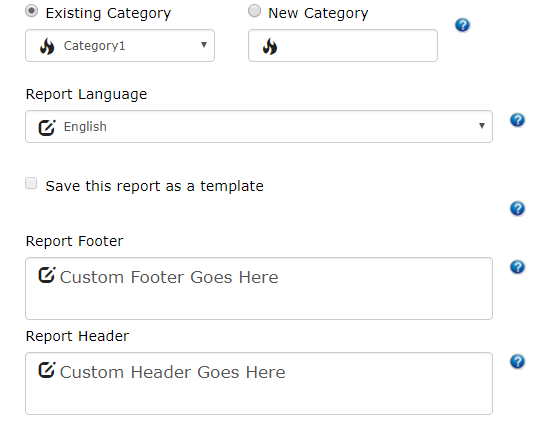
Step 8: Final Report Settings
- Select the report style and layout.
- Set access permissions.
- Choose the interface language.
- Add a custom header and footer.
- Select a report category.
Conclusion
That’s it!
You can now convert any SQL query or database view into a professional MySQL report using Smart Report Maker.